Learning ANSYS in Mechanical Engineering
Branch : ME


To equip students and professionals with the knowledge and skills necessary to identify, evaluate, and control hazards in industrial settings, ensuring a safe and compliant work environment.
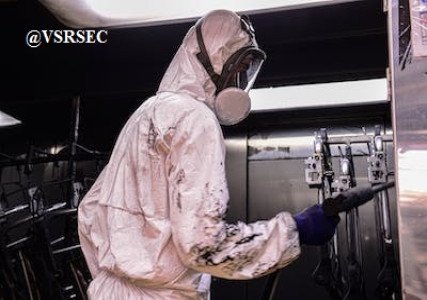
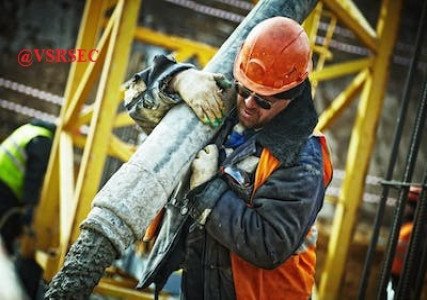
After completing a course in Industrial Safety Management, learners will be able to:
CO1 Understand Legal and Regulatory Frameworks
Demonstrate knowledge of national and international safety laws (e.g., OSHA, Factory Act, ISO 45001).Ensure compliance with legal safety standards in industrial environments.
CO2 Identify and Assess Workplace Hazards
Recognize different types of industrial hazards: physical, chemical, biological, ergonomic, and mechanical.Conduct risk assessments using standard tools like Job Safety Analysis (JSA), Hazard Identification and Risk Assessment (HIRA), etc.
CO3 Implement Safety Management Systems
Develop and manage effective safety policies and standard operating procedures. Apply safety management system standards such as ISO 45001.
CO4 Promote Workplace Safety Culture
Encourage safety awareness among employees through training and communication.
Build a culture of safety and continuous improvement.
CO5 Respond to and Investigate Incidents
Lead investigations into workplace accidents and incidents using root cause analysis.
Document findings and implement corrective and preventive actions (CAPA).
CO6 Manage Fire, Electrical, and Mechanical Safety
Design and implement fire prevention and control systems. Ensure safety in electrical and mechanical operations.Conduct safety drills and equipment checks.
CO7 Plan and Execute Emergency Response
Prepare emergency response plans and conduct mock drills. Coordinate with emergency services and ensure effective disaster management.
CO8 Use Personal Protective Equipment (PPE) Effectively
Select and use appropriate PPE for various job roles and hazards.Train workers on proper PPE usage and maintenance.
CO9Maintain Health and Environmental Safety. Monitor environmental and occupational health risks such as noise, dust, and hazardous materials. Promote sustainable safety practices and waste management.
CO10 Pursue Safety Careers Professionally
Qualify for roles such as Safety Officer, HSE Manager, Risk Assessor, and Industrial Hygienist.Contribute to safety audits, inspections, and certifications.
0 Reviews







Review Course
For Review on Course. You need to Login first. Login Here